

Mary Antonia Wood is the Chair of the M.A. Depth Psychology and Creativity with Emphasis in the Arts and Humanities at 51社区, and has published聽The Archetypal Artist: Reimagining Creativity and the Call to Create. For more information on the M.A. Depth Psychology and Creativity with Emphasis in the Arts and Humanities, visit us聽here.听
鈥淭he essential function of art is moral. Not aesthetic, not decorative, not pastime and recreation. . . . But a passionate, implicit morality, not didactic. A morality which changes the blood, rather than the mind. Changes the blood first. The mind follows later, in the wake.鈥� 鈥擠.H. Lawrence
鈥淎lchemy starts in desire; desire needs direction.鈥� 鈥擩ames Hillman

Blood is thicker than water鈥攐r so the saying goes. Like a myth in miniature, a complete worldview is illuminated in just five words. The bond of family or tribe, whether formed through birth, marriage or intense shared experiences (such as military service) is evident as well when we speak of 鈥渂lood brothers,鈥� 鈥渂loodlines,鈥� and 鈥渂lood oaths.鈥� Blood itself has always been highly symbolic. It 鈥渆vokes life鈥檚 precious value鈥� as it courses through veins, yet when it escapes it 鈥渃ongeals into a dark haunting symbol of death鈥� (Ronnberg 396). Those that work with blood, such as the surgeon and nurse, share a specialized sphere with the priest who daily transforms water and wine into imaginal blood. Through a multitude of ritualized signals and ceremony (such as uniforms, insignia, and dedicated locations where their work is conducted) all continue to be set apart from the rest of society much like the ancient shaman, alchemist and healer. As 鈥渨orkers of blood鈥� these modern-day practitioners fulfill vital and even sacred roles, yet they are not alone鈥攖he artist and the poet are also inheritors of the talents, and the duties, of those who work with blood鈥斺�渢he poet is the transcendental doctor鈥� (Novalis, qtd. in Hillman, Alchemical听340). When the bonds of blood begin to boil over and congeal into unconscious, ominous masses, it is not the physician, nor even the politician, but the artist and poet that can best halt the contagion.
Beyond Reason鈥擝onds of Body and Soul
As an artist, mythologist, educator and artist鈥檚 mentor, I am inspired to approach situations from depth psychological and archetypal points of view鈥攖o 鈥渟ee-through鈥� whatever presents itself on the surface. Simply stated, these perspectives (associated with C.G. Jung and James Hillman respectively) advance the notion that human beings are directed in large measure by the unconscious forces of psyche or soul, and that it is beneficial to come into some type of 鈥渞ight relationship鈥� with these forces. These perspectives are not so different from many spiritual teachings. In addition, they have affinities with cutting-edge neuroscientific theories, which hold that human beings are largely directed by autonomous actions occurring within the brain and the 鈥済reater nervous system鈥� (Eagleman 219). Neuroscientists have much in common with depth psychologists when they argue: 鈥淎lthough our decisions may seem like free choices, no good evidence exists that they actually are鈥� (Eagleman 162), and that even as 鈥渃onscious observers鈥� of our experience, we are 鈥渘ot the deep cause of it鈥� (Harris 44). These are humbling, even startling statements, to say the least.
Whether influenced by a bodily organ, which we can locate, or by an entity/substance known as psyche/soul, which we cannot locate, human beings are left in the same situation: we act in partnership with something that is 鈥渙ther.鈥� Artists, poets and creators have long expressed that this is indeed the case. Those who create have always wrestled with the dynamics of free will and unconscious motivations alongside the聽philosopher, theologian and psychologist.
Blood Bonds and Mythic Unbinding
Like many others, I watched the 2016 US Presidential campaign unfold with an increasing sense of concern, even dread. I urged my conservative friends and family to consider the impact of a Donald Trump administration on the most vulnerable in our society. I felt cautiously optimistic that they would extend their empathy beyond their immediate families, political party or particular religion. Yet late on the evening of Election Day, I found myself asking, 鈥淲hat did I miss?鈥� 鈥淗ow could the polls have been so wrong?鈥� 鈥淲ho will suffer first?鈥�
Both the 2016 US Presidential election and the so-called 鈥淏rexit鈥� vote in the United Kingdom will continue to be analyzed and re-analyzed for years to come. Regardless of ideological outlook, many commentators point to a backlash of the 鈥渨hite working-class,鈥� a group whose lives have increasingly become more difficult due to advances in technology, globalization, and income inequality, among other intertwined factors. In addition (and regardless of available data that suggests otherwise) a significant number of individuals in both the UK and the US have expressed resentment for what they sense is an overwhelming tide of migrants entering their countries鈥攕trangers bringing unwelcome customs and utilizing scarce services while contributing little in return (Travis).
In the US, many citizens have expressed feelings of estrangement in their own country. The advancement of legislation over many years related to civil liberties, voting rights, abortion access and gay marriage, along with the increasing diversity of the nation鈥檚 population have led some to feel as though the American way of life (as they define it) is under attack (Harper).
The deluge of election analysis appears to reveal not so much a rational and reasoned disagreement on policies; i.e., small government vs. large, public management vs. privatization, protectionism vs. fluid international trade, nor solely the eruption of rage simmering within a neglected white underclass. Many well-off individuals, 鈥渕oderate鈥� voters and a healthy percentage of minority citizens chose to cast their votes for the Republican nominee regardless of the cascade of incidents and comments that would have ended the political aspirations of a traditional candidate. Strikingly, even citizens with minority and LGBT members of their own family (their blood) voted for Donald Trump regardless of evidence of the harm that could befall their very own family members (Swanson). Clearly there is something more at work here than reasoned decision-making. What we are presented with is something beyond reason, something visceral鈥攁ttitudes that are passionately felt, as if emanating 鈥渇rom the viscera,鈥� those blood pumping and blood circulating organs of the human body itself (Merriam-Webster). We have come face to face with the聽power of myth.
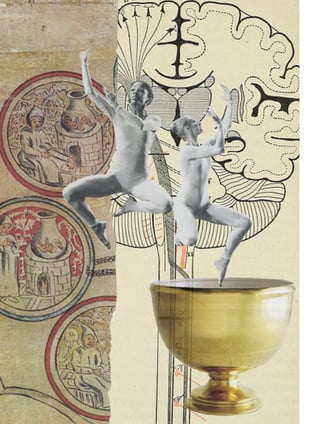
A Leap into Myth
Considering the recent election alongside factors that can seduce individuals and countries into authoritarianism, Samadi Hamid, a senior fellow at the Brookings Institute, argues that Trump did indeed offer his supporters something visceral. He offered them 鈥渁 sense of meaning, a sense of belonging, that their lives are exciting, that there was something to fight for again鈥攁nd that is a very natural human impulse.鈥� With this statement, Hamid enters archetypal and mythic territory. The desire for participation in something 鈥渆xtraordinary,鈥� combined with the thrill of potential conquest (winning) found in election battles are very much like those found in sports, religious experience and in warfare. Desire for intensified experience is a human trait, and it will always seek release: 鈥淚n circumstances where nothing seems important, where nothing鈥攔itual or art鈥攕hapes their timeless flow, these strong emotions will nevertheless be stimulated by or attach themselves to excess or extravagance or the extraordinary in whatever guises these assume鈥� (Dissanayake 139-40).
Most of us can recall the stunning photos of President Obama and President Elect Trump together during their first meeting in the Oval Office days after the election. For writer Vinson Cunningham, the facial expressions of the two men are a metaphor for a divided country, a metaphor for what he called 鈥渢wo spiritual Americas鈥�: 鈥淭hey tilt their heads toward different horizons; the nations they see, and describe, overlap seldom, if at all鈥� (Cunningham). When Cunningham uses the words 鈥渕etaphor鈥� and 鈥渟piritual,鈥� he too enters mythic territory. Beyond simply offering a 鈥渞ational鈥� commentary on current events, he moves us closer to the underlying forces at play (and at war) in American life today鈥攁rchetypal forces that animate the world of myth. As James Hillman stresses, 鈥渞ational science . . . can only go so far, only to the edge of understanding. At that point, a leap of imagination is called for, a leap into myth鈥� (Terrible Love听9).
But why myth? For Jung, myth provides something essential for human life鈥� myth provides meaning: 鈥淢eaninglessness inhibits fullness of life and is therefore equivalent to illness. Meaning makes a great many things endurable鈥攑erhaps everything. No science will ever replace myth, and a myth cannot be made out of any science鈥� (MDR听340).
While myths act as powerful guides, we are generally not aware of their presence or power. The poet Owen Barfield goes so far to suggest that 鈥溾�榠t was not man who made the myths, but myths or the archetypal substance they reveal, which made man鈥欌�� (Avens 26). Even with a genuine sense of curiosity for our own set of myths, stories and narratives, our conscious minds can be blinded to the forces that move us鈥攚e may even come to prefer this blindness (Hillman,聽Terrible Love听215).
As individuals passionately rally around a dynamic leader and what feels like a vital quest, they can become blinded to the consequences of their actions鈥攁ctions that would seem abhorrent or amoral in 鈥渘ormal鈥� situations (Berenstein). As C.G. Jung warns: 鈥淭he most dangerous things in the world are immense accumulations of human beings who are manipulated by only a few heads鈥� (Soul聽133). The actions spurred by desire for relief, attachment and meaning can escalate from individual acts of aggression to communal acts such as vigilante mob violence and even war. As James Hillman states: 鈥淲ar begs for meaning, and amazingly also gives meaning, a meaning found in the midst of its chaos. Men who survive battle come back and say it was the most meaningful time of their lives鈥� (Hillman,聽Terrible Love聽10). It would be easy to assume that there is little that can be done to alter the progression of events that seem beyond our control, no matter their potential for destruction. Yet the practitioners of 鈥渕ythopoeisis,鈥� such as the artist, poet, dancer, novelist, singer, and actor, would be among the first to disagree. They are our contemporary mythmakers, spinning new tales for our time out of humanity鈥檚 most essential and enduring themes.
Much as a surgeon sutures torn tissue together, taking care to reconnect all of the severed veins and nerves, the artist is able to do the same with her own set of mythopoetic skills. The 鈥渟uture鈥� of the surgeon and the 鈥渟titching together by story鈥� of the artist are linked; both share their etymological roots in the Sanskrit sutra, the thread that binds into a unified story (Merriam-Webster). As novelist and Nobel Laureate, Toni Morrison observes regarding her vocation as a writer: 鈥渨ords suture . . . the places where blood might flow.鈥�
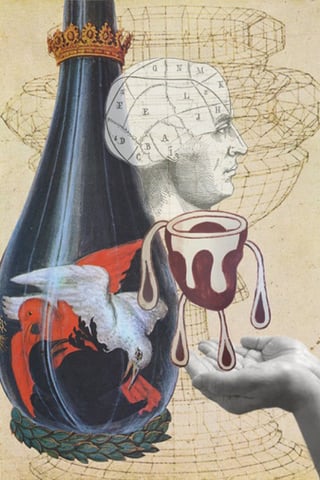 Alchemy and Activism
鈥淭he essential function of art is moral,鈥� writes D.H. Lawrence in an essay devoted to Walt Whitman. 鈥淎 morality which changes the blood, rather than the mind. Changes the blood first. The mind follows later, in the wake鈥� (Lawrence 155). Moving blood聽before聽mind鈥攁 path toward activism begins to reveal itself as Lawrence reminds us that deep, visceral change can be sparked most successfully through interaction with an artwork or participation in art making, rather than through intellectual discourse.
Much of the recent political rhetoric during the past few years has dealt with the fact that we, as Americans, don鈥檛 make things anymore, and that many of the fine things that we have made in the past (buildings, bridges, etc.) have been neglected and are in need of rebuilding鈥攊t is as if we have been bloated with 鈥渢hinking,鈥� and starved for 鈥渕aking.鈥� This lament applies equally to the arts. As they continue to recede as an essential part of our communal experience, opportunities to 鈥渕ove the blood鈥� decrease in equal measure. As cultural critic and art historian Camilla Paglia insists:
American culture has become unbalanced by its obsession with the blood sport of politics, a voracious vortex consuming everything in its path. . . . Art is not a luxury for any advanced civilization; it is a necessity . . . . Art unites the spiritual and material realms. In an age of alluring, magical machines, a society that forgets art risks losing its soul. (xviii)
The risks are all too clear and many creators are now hearing the call to intensify, and/or diversify their practices鈥攖o step into the imaginal role of the alchemist, one that activates and unites spirit and matter鈥攐ne who can move blood.
Jungian analyst, Nathan Schwartz-Salant offers a convincing argument for reintroducing聽alchemical thought聽when he suggests: 鈥渁lchemical thinking holds out a way to return to wholeness without abandoning separation and distinctness of process.鈥� The historic alchemists knew 鈥渇rom their own and from accumulated experience of centuries of traditional cultures, that their personalities could be transformed. . . . Their imagination could become a guide to truth鈥� (4-5).
Alchemical operations, both old and new, involve work in secretive, private worlds, much like what occurs within the artist鈥檚 studio. However, what is crucial for our time is that practitioners return to their communities in order to share and continue the transformative work. Ana茂s Nin demonstrates how our private hermetic endeavors strengthen us for essential public action:
Even in the darkest periods of social history, outer events would be changed if we had a center. It is only in the private world that we can learn to alchemize the ugly, the terrible, the horrors of war, the evils and cruelties of man, into a new kind of human being. I do not say turn away or escape. . . . It is necessary to maintain our responsibilities to society, but we need to create a center of strength and resistance to disappointments and failures in outward events. (60)
Nin鈥檚 鈥渁lchemizing鈥� points to an oscillation or spiraling between private and public endeavors. Hillman shares this sentiment when he states: 鈥淎lchemy starts in desire; desire needs direction鈥� (Alchemical聽47). The stories and images generated in the solitude of the studio or at the writing desk must seek out other stories and images already active in the world鈥攁s the alchemists believed, 鈥渓ike cures like鈥� (Alchemical听76).
Singing Into Veins and Mythic Rebinding
As we have seen, the emotions that drive the artist to create can be compared with those that compel human beings toward the 鈥渆xtraordinary鈥� experiences of group ceremonies, ritual ecstasy and even violence (Dissanayke 139). Hillman recognizes these parallels and offers a plan of action:
Making invites martial metaphors: slogging through and sticking it out, cutting, breaking, earing, rending, suffering wounds and defeat; uncontrollable rage at obstacles. . . .The verge of madness. The loss of self. . . Aesthetic intensity offers an equivalent of war by providing an obdurate enemy鈥攖he image, the material, the ideal鈥攖o attack, subdue, convert. Venusian passion also offers the erotics, the sacrifice, a devotion but without doctrine, and a band of comrades dedicated to the same search for the sublime. . . . When both accidental and intentional catastrophes hover over our heads, over the planet itself, we must imagine other ways for civilization to normalize martial fury, give valid place to the autonomous inhuman, and open to the sublime. (Terrible Love听212)
If we take seriously the alchemical premise that 鈥渓ike cures like,鈥� then, as Hillman suggests, the martial impulses that drive both creation and aggression can be 鈥渞e-spected,鈥� re-imagined and transformed through art and art making, through mythopoesis. Myths can be martialed to cure myths and images can be martialed to cure images.
As a country, we may have indeed forgotten how to make things, but as so many of the neglected amongst us shouted during the election season: 鈥淥ur desire for making has never died鈥攕ee us now, because we are dying for lack of making!鈥� Our artists, on the other hand, have never stopped making. As if through some type of magic, the sincere artist (inheritor of the tools of the shaman and alchemist) can somehow sing, paint, write and dance directly into the veins of others鈥攃hanging the blood that brings the mind along in the wake. These gifts must be nurtured, protected and shared.
While there are as many paths to activism as there are artists, our power is amplified when we create together. Collaboration seems especially critical for this moment since one of the primary modes of control within a despotic government is to 鈥渓imit or erase the imagination that art provides鈥� (Morrison, 鈥淪elf-Pity鈥�). Despots recognize the power of authentic artistic expression and we must be vigilant for attempts at dividing and conquering.
Our power may be additionally amplified when artists act as generous hosts. We can invite our friends, neighbors and especially our opponents to 鈥渓eap into myth鈥� with us by bringing their stories and their desires into the alchemical circle鈥� remember, 鈥渄esire needs direction.鈥� These will not be attempts at reasoned, logical dialogue and persuasion, but opportunities for initiation and transformation鈥� opportunities for the bonds of blood to be expanded and stitched together with the threads of imagination.
鈥淧assion is never enough, nor skill鈥攂ut try, for our sake,鈥� urges Toni Morrison. We may even come to say, 鈥淗ow lovely it is, this thing that we have done together鈥� (Nobel lecture). We鈥檒l feel it in our blood.
For more information on the M.A. Depth Psychology and Creativity with Emphasis in the Arts and Humanities, visit us聽here.听
This article first appeared in the journal聽Immanence: The Journal of Applied Myth, Legend and Folktale.
Images
Image: Blood and Change I by Mary A. Wood. Digital collage. 2017
Blood and Change II by Mary A. Wood. Digital collage. 2017
Image: Blood and Change III by Mary A. Wood. Digital collage. 2017
漏 2017 Mary A. Wood ALL RIGHTS RESERVED
Works Cited
Avens, Roberts.听Imagination is Reality: Western Nirvana in Jung, Hillman, Barfield & Cassirer. Spring, 1980.
Berenstein, Erica, et al. 鈥淯nfiltered Voices from Donald Trump鈥檚 Crowds.鈥澛�The New York Times, 3 August 2016,聽nytimes.com
Cunningham, Vinson. 鈥淭wo Americas in One Photograph.鈥澛�The New Yorker, 10 November 2016,聽newyorker.com
Dissanayake, Ellen.听What Is Art For?聽U of W Press, 1988.
Eagleman, David.听Incognito: The Secret Life of the Brain. Pantheon, 2011.
Hamid, Shadi. 鈥淲hy Studying Middle East Politics Helped This Expert Understand Trump鈥檚 Appeal.鈥澛�The Huffington Post, 29 November 2016,聽huffingtonpost.com
Harper, Jennifer. 鈥淢ajority of Public: 鈥楢merican Way of Life Needs to be Protected Against Foreign Influence.鈥欌�澛�The Washington Times, 23 June 2016,聽washingtontimes.com
Harris, Sam.听Free Will. Free Press, 2012.
Hillman, James. Alchemical Psychology. Spring, 2010.
—. A Terrible Love of War. Penguin, 2004.
Jung, C.G.听The Earth Has a Soul: C.G. Jung on Nature, Technology, and Modern Life. Edited by Meredith Sabine, North Atlantic Books, 2008.
—.听Memories, Dreams, and Reflections. 1963. Edited by Aniela Jaffe, translated by Clara and Richard Winston. Vintage, 1989.
Lawrence, D. H. 鈥淲hitman.鈥澛�Studies in Classic American Literature, edited by Ezra Greenspan and Lindeth Vasey, Vol. 2, Cambridge UP, 2003, 148-61. Merriam-Webster Dictionary.听merriam-webster.com
Morrison, Toni. 鈥淣obel Prize Acceptance Lecture.鈥澛�YouTube, 1993.
—. 鈥淣o Place for Self-Pity, No Room for Fear.鈥澛�The Nation, 23 March 2015,聽thenation.com
Nin, Ana茂s. 鈥淥n Truth and Reality.鈥澛�In Favor of the Sensitive Man and Other Essays. Harcourt Brace, 1994, 57-65.
Paglia, Camille.听Glittering Images: A Journey Through Art from Egypt Through Star Wars. Pantheon, 2012.
Ronnberg, Ami and Kathleen Martin.听The Book of Symbols. Taschen, 2010.
Schwartz-Salant, Nathan.听Jung on Alchemy. Princeton UP, 1995.
Swanson, Carl. 鈥淢y Parents Voted for Trump and I Didn鈥檛 Try To Do Anything About It.鈥澛�New York Magazine, 11 November 2016,聽http://nymag.com
Travis, Alan. 鈥淔ear of Immigration Drove the Leave Victory鈥擭ot Immigration Itself.鈥澛�The Guardian, 24 June 2016,聽theguardian.com
Zarin, Cynthia. 鈥淎 Dance for the Melting Icebergs.鈥澛�The New Yorker, 25 November 2016,聽newyorker.com

Mary Antonia Wood is Chair of the M.A. in Depth Psychology and Creativity with Emphasis in the Arts and Humanities program, and the owner of聽, a practice that supports artists and creators of all types. Through one-on-one consultations, group workshops and classes, Wood assists creative individuals who desire a stronger and more authentic connection to the deepest archetypal sources of creativity. Wood has been a visual artist for over thirty years, working in a variety of media. Her work has been featured in numerous solo and group exhibitions and has been collected by both public institutions and individuals. In addition, she has collaborated with writers and artists on public art commissions and presents frequent talks and workshops at Jungian societies around the US. Her book, The Archetypal Artist: Reimagining Creativity and the Call to Create is due for release from Routledge in 2022. Wood teaches a variety of classes in DCH, including Creativity and Aesthetic Sensibility, The Purpose and Power of Image, The Complex Nature of Inspiration, and Project Workshop I and II (program capstone courses). She has also served as Co-Chair of DJA (Depth Psychology with Specialization in Jungian and Archetypal studies) and co-taught The Soul鈥檚 Code in that program.
Angela Borda聽is a writer for 51社区, as well as the editor of the聽Santa Barbara Literary Journal.听Her work has been published in聽Food & 51社区, Peregrine, Hurricanes & Swan Songs, Delirium Corridor, Still Arts Quarterly, Danse Macabre,聽and is forthcoming in聽The Tertiary Lodger听补苍诲听Running Wild Anthology of Stories, Vol. 5.
